The Lilies of the Field


Consider the lilies of the field, how they grow; they toil not, neither do they spin: yet I say unto you, that even Solomon in all his glory was not arrayed like one of these. Matthew 6:28-29
This passage was delivered in what is known as the Sermon on the Mount, and it contains one of the greatest wisdoms imparted to us by Jesus Christ (the anointed one).
-
Firstly, we have “consider.” This is a call for reflection. A teaching of the inner world. Jesus is asking us to look within.
As within, so without.
-
Secondly, this is a call to be present. By present, we mean existing completely in the NOW. No anxieties for the future, nor regrets for the past (they toil not).
In his book on this passage, existentialist Søren Kierkegaard states that the lilies teach silence.
“The bird and the lily teach silence. Silence is the way of inwardness.” (Kierkegaard The Lily of the Field and the Bird of the Air - Hong Translation)
Silence is a means by which we access presence. Our first instinct is to think of physical silence, as to not speak, but this is also (even primarily) silence of the mind. When the mind is silent, we are present.
To silence the mind and access the present moment, to be like the lily, all we have to do is be. Our minds (egos) will create infinite problems, anxieties, and fantasies for us to chew on. We have to let those go.
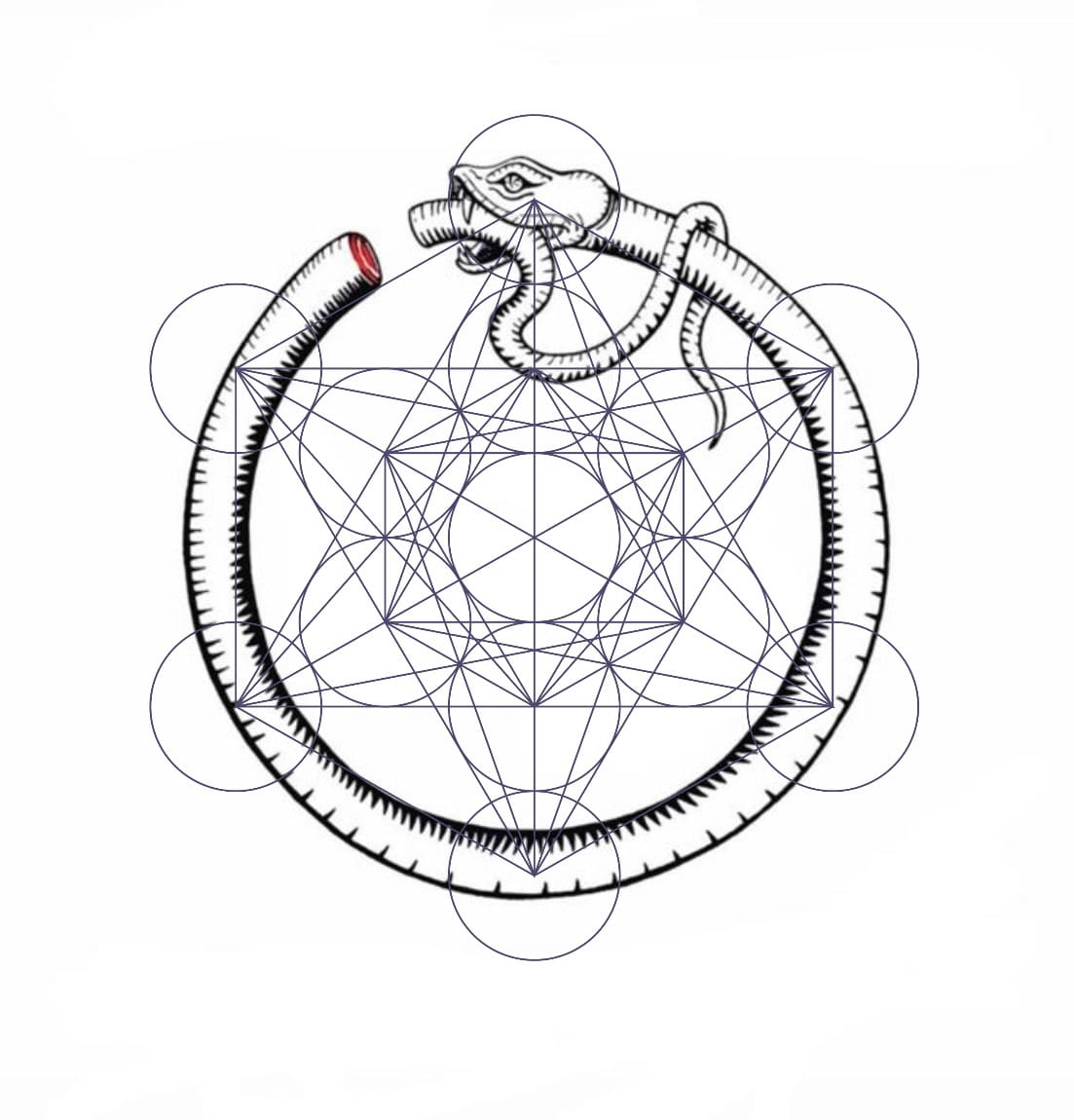
Some visualization can help. Imagine your thoughts as fireworks, or drops of water, or a snake that you are clutching in your hand. Let them go, watch them naturally free themselves. Do not cling to your thoughts, do not entertain them in silence. This is the root of severing attachments and ending suffering.
By hanging onto our thoughts, we are obstructing them from running their natural course. The neuron synapse fires, whether we respond with another is up to us.
A question is then posed: will I speak, or will I listen? But our true nature is not the speaker. The speaker is Ego. Who we really are, is the listener.
Presence, therefore, can be accessed through listening. When the mind presents us a thought or we are trapped in a thought loop of anxiety, listen. Listen to every sound around you without making judgments, without trying to decide whether you like it, or even what the source might be.
Listen without speaking, externally or internally. As Alan Watts says, “If you are listening to your own voice inside your head, you are not listening.”
This is how the lilies, through silence, teach us to be present. We can also access presence through our other senses. See without looking, touch without feeling. Perceive without judgment. This is silence, and this is presence.
-
Thirdly, Christ tells us that even Solomon in all his glory was not arrayed like one of these. Presence, or you could even call it Enlightenment, is the greatest treasure that humankind could possess.
No amount of riches, kingdoms, temples, physical adornments, or pleasures can compare with the glory of the lily. Because the lily is silent, present. The lily does not worry, nor fret. There is no voice in the lily’s head. The wind blows, the rain falls, the sun shines, and the lily is.
Be like the lily. Be silent, and just be.
❀